
Choosing local farmers is a powerful way to boost our neighborhoods. It keeps money circulating right here at home, creates jobs, and helps protect our precious farmland. This guide dives into why buying from growers nearby offers significant value compared to shopping at national chains. Plus, we’ll show you how tools like Local Fresh Bag make it easier for everyone to connect. You’ll discover:
- How your local spending creates a ripple effect and sparks diverse job opportunities.
- Why selling directly to you helps farmers earn more, farm more sustainably, and build your trust.
- The amazing social and environmental wins that go beyond just dollars and cents.
- How Local Fresh Bag helps farmers reach more customers and makes it simple for you to buy local.
- Real stories of farmers growing their income, investing in their communities, and scaling up.
- The common bumps in the road—like what’s in season or how value compares—and how to navigate them.
- The lasting advantages of choosing local over big chains for a stronger, more resilient community and truly ethical farming.
What’s the Real Economic Punch of Buying Local vs. Chain Stores?
When you buy local food, your money directly supports nearby farms, meaning a much bigger chunk of that cash stays right here in our community. This is called the multiplier effect, and it keeps local businesses thriving, helps fund community services through taxes, and encourages reinvestment in local projects. Think about it: when you buy fresh veggies from a local grower, they’re likely hiring local hands, buying supplies from nearby businesses, and using regional services—strengthening every link in our economic chain.
How Does That Local Food Multiplier Effect Actually Work?
The local food multiplier effect is all about how your spending with a neighborhood farmer spreads out to touch other parts of our economy. Farmers pay local suppliers for things like seeds, equipment, and packaging. The folks they hire spend their wages on housing, groceries, and local shops. Even the mechanics who fix their tractors and the accountants who handle their books benefit. This cycle can actually double or triple the wealth generated by a single purchase. In contrast, when you shop at a big chain, profits often head to corporate headquarters far away, leaving less for our local reinvestment.
How Much More Economic Boost Does Local Spending Give Us?
This difference is huge! Choosing local nearly triples the economic impact compared to shopping at big retailers, creating a powerful cycle of growth right here at home.
What Kinds of Jobs Pop Up When We Support Local Food?
- Farmhands and seasonal workers harvesting fresh produce.
- Skilled workers in small-scale food processing and packaging.
- Local drivers and coordinators for distribution.
- Managers and staff at farmers markets and community events.
- Guides for farm tours, educators, and food system experts.
These jobs strengthen our local workforce, reduce unemployment, and bring valuable skills to both our rural and urban areas.
How Does Supporting Local Farms Build Lasting Community Wealth?
Supporting local farms builds wealth that lasts. It helps keep land in the hands of local families, preserves our agricultural heritage, and passes down valuable farming knowledge. When we invest in local produce, farms can invest in better irrigation, healthier soil, and cleaner energy. These improvements boost property values and tax revenues. This cycle of reinvestment creates economic stability and ensures our farmland stays productive for generations, instead of being lost to development.
How Do Direct Sales Help Farmers Earn More and Farm Better?
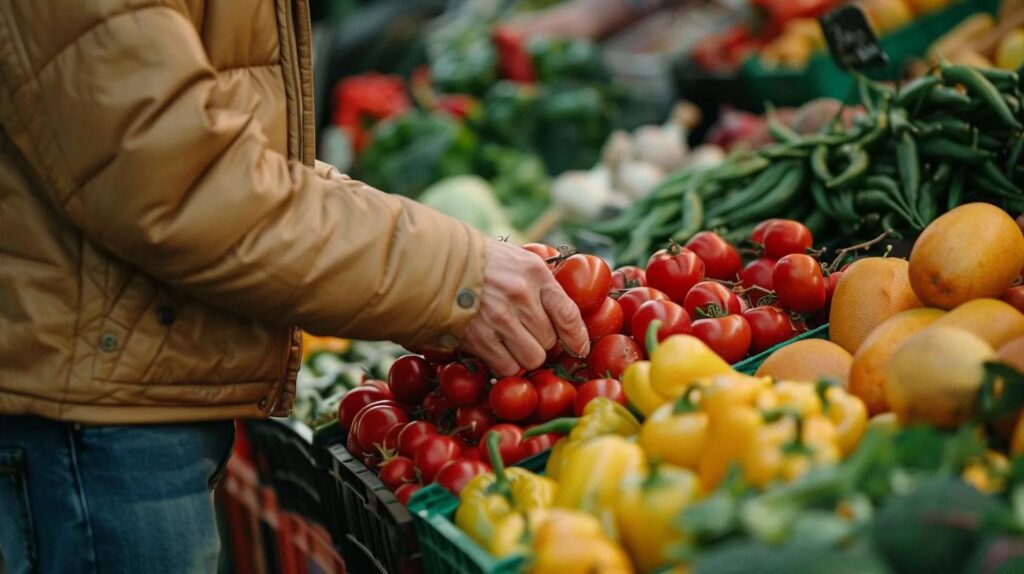
When farmers sell directly to you, they cut out the middlemen. This means they keep more of the money you spend and can invest in growing practices that are better for the environment. Selling directly at farmers markets or through online platforms like ours allows growers to earn a larger share of the sale. This extra income can fund improvements in soil health, help them grow a wider variety of crops, and adopt technologies that conserve resources—making their businesses more sustainable and profitable.
Why Do Farmers Make More Money Selling Directly?
Selling directly lets farmers set values that truly reflect the effort of growing quality food, paying fair wages, and using sustainable methods. Without wholesaler markups, farmers can often significantly increase their net income. This extra profit allows them to invest in things like organic certifications, trying out new crops, or upgrading their equipment—all crucial for keeping their farms healthy and viable long-term.
How Does Selling Online Help Farmers Reach More People?
Online marketplaces break down distance barriers, connecting farmers with customers far beyond their local area. Platforms like Local Fresh Bag offer easy ways to manage orders, track inventory, and process payments. This allows farmers to offer seasonal boxes, unique products, and subscription services to a wider audience of shopp ers who appreciate fresh, local food. It’s a great way to diversify their income and create more stability, even when harvests vary.
What Sustainable Farming Practices Get a Boost from Direct Sales?
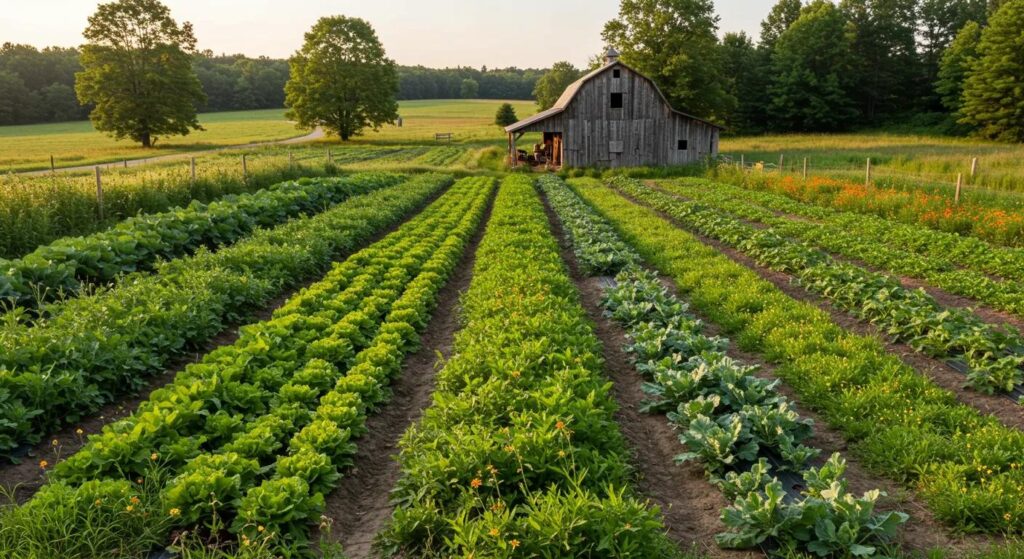
- Rotating crops and planting cover crops to keep soil rich and healthy.
- Using natural methods to manage pests, reducing the need for chemicals.
- Conserving water with smart techniques like drip irrigation.
- Composting on-site and reducing waste.
- Creating spaces for bees and butterflies to support a healthy ecosystem.
When you choose to buy from farmers who use these practices, you’re not only getting great food, but you’re also supporting a healthier planet and a more resilient local economy.
How Do Farmer-Customer Connections Build Real Trust?
Getting to know your farmer, whether at the market or through online updates, builds a strong sense of accountability. When you see how your food is grown or get direct updates from the farm, you can feel confident about its safety and quality. This trust leads to loyal customers, great word-of-mouth recommendations, and valuable feedback—all of which strengthen the community bonds that are so important for both our economy and our well-being.
What Are the Bigger Community Wins When We Buy Local Food?
Our local food systems offer more than just economic benefits; they bring significant health, environmental, and social advantages too. By getting our food from nearby sources, we improve the quality of what we eat, cut down on pollution from long-distance shipping, and build stronger community connections through shared food experiences. These combined benefits make our lives better and make our communities more resilient to disruptions in global food supplies.
How Does Local Food Make Our Communities More Secure and Resilient?
Having many different local farms means we spread out the risk. If one farm has a bad season or a distant supplier faces delays, we still have other local options. Community gardens, shared farms, and local food reserves help ensure that fresh produce is available even during extreme weather or transportation issues. This local backup system strengthens our region’s ability to feed itself.
What Environmental Perks Come from Shorter Food Journeys?
When food travels shorter distances, we drastically cut down on carbon emissions and energy use because there’s less need for long-haul transport and extensive refrigeration. Shorter supply chains also help protect farmland from being converted for other uses, as local markets create steady demand for nearby agriculture. These environmental savings contribute to our long-term economic health by preserving natural resources like clean water and air.
How Do Farmers Markets and Local Food Systems Bring Us Closer Together?
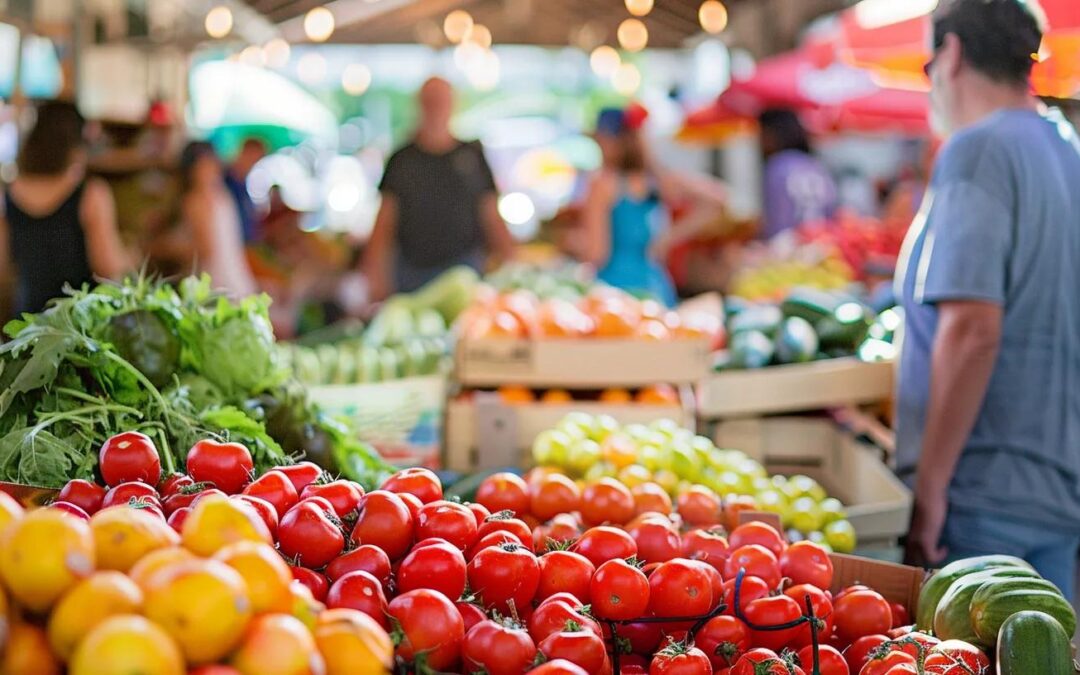
Farmers markets are lively spots where neighbors meet, share recipes, and swap cooking tips. These face-to-face interactions build community pride and a shared sense of identity. Events like harvest festivals, centered around local food, reinforce traditions, encourage volunteering, and connect people across generations, weaving a stronger social fabric for everyone.
How Local Fresh Bag Empowers Farmers and You for a Thriving Local Economy
Local Fresh Bag acts as a vital link between those who grow our food and those who eat it. Our easy-to-use online marketplace and special tools for farmers make direct buying and selling simpler than ever. We help farmers manage orders, connect with customers, and get the marketing support they need. This collaboration boosts our local economy and gives farmers the digital tools to succeed in today’s market.
What Tools Does Local Fresh Bag Give Farmers to Sell Directly?
Local Fresh Bag offers integrated inventory management, easy-to-customize product listings, automatic payment processing, and real-time sales data. These features remove technical headaches and lighten the administrative load, freeing up farmers to focus on growing amazing food and building relationships with their customers.
How Can You Get Your Hands on Fresh Local Food Through Local Fresh Bag?
You can easily browse what’s in season, sign up for curated produce boxes, and get notified for farm-fresh deliveries or convenient pick-ups. Detailed product information and transparent sourcing details build your confidence, while flexible subscription options fit your household size, dietary needs, and delivery preferences perfectly.
How Does Local Fresh Bag Champion the Local Food Movement and Our Economy?
By shining a spotlight on community farms and promoting direct sales, Local Fresh Bag increases the demand for locally grown goodness. Our outreach efforts and partnerships connect with schools, community groups, and farm-to-table restaurants, creating a powerful network that drives economic growth and supports environmental care all at once.
Real-Life Stories: See the Amazing Impact of Supporting Local Farms
Countless success stories show how local farms and supportive communities are making a real difference. From boosting farmer incomes to launching community improvement projects, these examples highlight the incredible power of choosing local together.
Which Local Farmers Have Seen Their Income Grow Through Direct Sales?
One mixed-vegetable farm saw its yearly earnings significantly increase after embracing direct sales through subscriptions and market stands. Another orchard expanded into making delicious jams and ciders, selling them through community-supported agriculture shares, which boosted their overall income and reduced wasted produce.
How Have Community Projects Benefited from Local Food Systems?
A regional food initiative partnered with local farmers to supply fresh ingredients for school lunches, making meals healthier and more accessible. Proceeds from weekly farmers markets helped fund upgrades to local parks and supported youth farming programs, showing how local spending can directly benefit public services.
What Proof Shows Local Farms Create Jobs and Economic Growth?
Recent data reveal that direct-market farms create significantly more local jobs compared to large wholesale operations. Communities with strong local food networks often see lower unemployment and more new small businesses, demonstrating the widespread economic benefits.
What Hurdles Do Local Food Systems Face, and How Do We Tackle Them?
Local agriculture faces challenges like seasonal availability, value comparisons, and getting food where it needs to go. By understanding these obstacles and working together, we can ensure that local food remains accessible, valuable, and sustainable all year long.
How Does Seasonality Affect When We Can Get Local Food and Its Value?
When harvests change with the seasons, we might see periods with less variety or fluctuating availability if demand is greater than supply. It’s helpful for consumers to be patient with seasonal shifts. Practices like using greenhouses, preserving harvests, and processing food in batches can help even out supply and maintain consistent value.
What About Value Compared to Chain Stores?
Chain stores often achieve their scale through massive quantities, huge distribution networks, and streamlined operations. Local farmers, working on a smaller scale and often using more sustainable methods, focus on quality and direct connection. When you consider the incredible freshness, quality, and knowing exactly where your food comes from, the overall value is clear. Plus, subscription models and group buying can help make local food more accessible for everyone.
How Does Local Fresh Bag Help Farmers Overcome These Challenges?
Local Fresh Bag’s tools help gather orders from many customers across different areas, creating steadier demand and making shipping more efficient. Farmers can work together to offer a wider variety of products throughout the year, balancing seasonal availability. Our features allow for flexibility, reflecting the true value of production while keeping things transparent for you.
Why is Supporting Local Farms a Better Bet for Our Community Economy Than Chain Stores?
When we spend locally, we create more jobs, keep more money circulating in our community, and support farming practices that are good for the planet and people. By choosing neighborhood producers over distant retailers, we’re investing directly in our community’s social fabric, environmental health, and long-term strength.
How Does Local Spending Create More Jobs Than Shopping at Chain Stores?
Every $1 million in revenue from direct-market farms supports around 32 jobs, compared to about 10.5 jobs from larger wholesale operations. Local farms need a variety of support services—like processing, delivery, and marketing—which creates jobs across many different sectors of our economy.
What Are the Long-Term Economic and Social Gains from Local Food Systems?
Consistent local buying strengthens our regional food supply chains, makes us less vulnerable to global disruptions, and supports vital community organizations like co-ops and food hubs. Over time, these investments build lasting wealth, encourage civic participation, and help preserve our cherished food traditions.
How Does Buying Local Food Champion Sustainable and Ethical Farming?
Local farmers are more likely to use earth-friendly methods—like planting diverse crops, using fewer chemicals, and protecting wildlife habitats—because they’re directly connected to consumers who care about the environment. Ethical standards, such as paying fair wages and treating animals humanely, also stand out in a transparent market, aligning farm practices with our community’s values.
Investing in our local farms strengthens our community’s economy, protects our environment, and builds stronger social connections—offering a complete path to a more sustainable and prosperous future.