
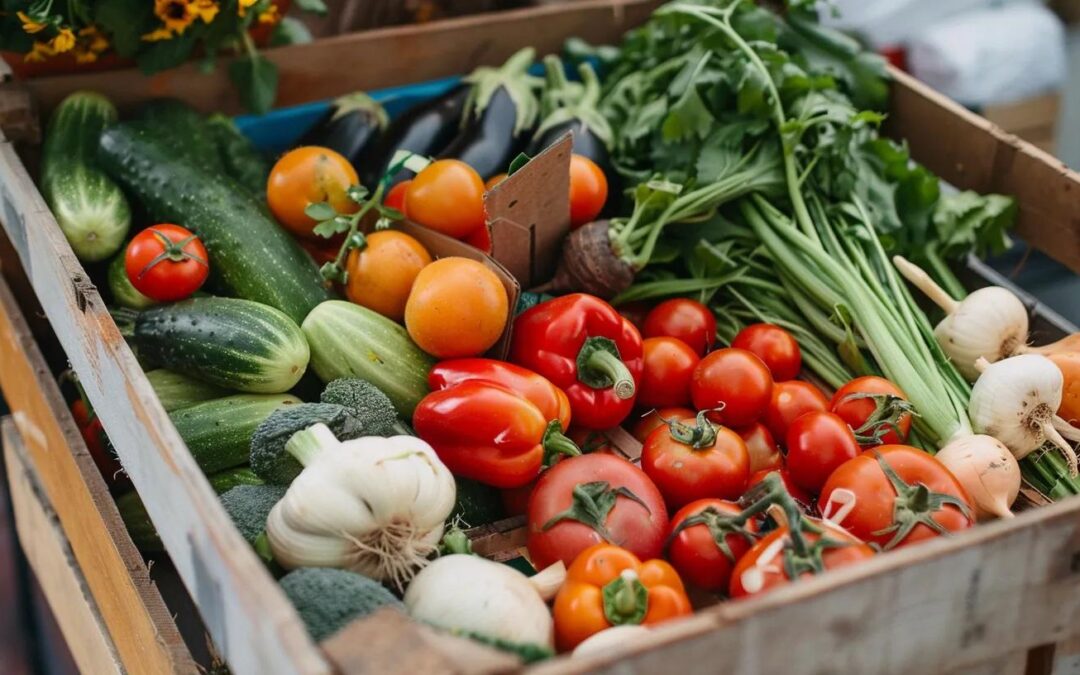
Local farmer markets offer direct access to farm-fresh, nutrient-packed produce, transforming how we eat and support agriculture. This guide explores their importance, how to find and shop at them, essential finds, and how growers connect with consumers. We’ll also highlight how Local Fresh Bag simplifies finding and selling local food. Here’s what we’ll cover:
- What Are Local Farmer Markets and Why Shop There?
- Your Roadmap: Finding the Best Local Farmer Markets
- Treasures to Look For at Local Farmer Markets
- How Farmers Bring Harvests to Market and Online
- How Local Fresh Bag Empowers You
- Trends and Perks in the Local Food Movement
- Regional Farmer Market Directories and Seasonal Guides
- Wrapping Up: Your Next Steps
What Are Local Farmer Markets and Why Shop There?
Local farmer markets are vibrant community hubs where farmers sell directly, ensuring peak freshness and quality. They foster connections between consumers and growers, offering seasonal produce, unique small-batch creations, and artisan crafts. Shopping here means unparalleled freshness, supporting sustainable farming, and boosting your local economy.
Beyond food, markets uphold traditions, providing a vital platform for small farms to showcase heirloom and niche products. This means more nutrient-dense food, clear origins, and a shopping experience shaped by local seasons and community.
What Defines a Local Farmer Market?
Local farmer markets are defined by direct grower involvement, regional produce, and community engagement. Vendors, from small organic farms to artisan food makers, offer fresh produce, dairy, meats, and handcrafted goods. The atmosphere promotes transparency, allowing shoppers to learn about growing methods and food origins.
Markets typically operate weekly or bi-weekly during growing seasons, often hosting community events. These features—farmer presence, seasonal focus, and open-air setting—distinguish them from grocery stores.
Health Perks of Choosing Local Produce
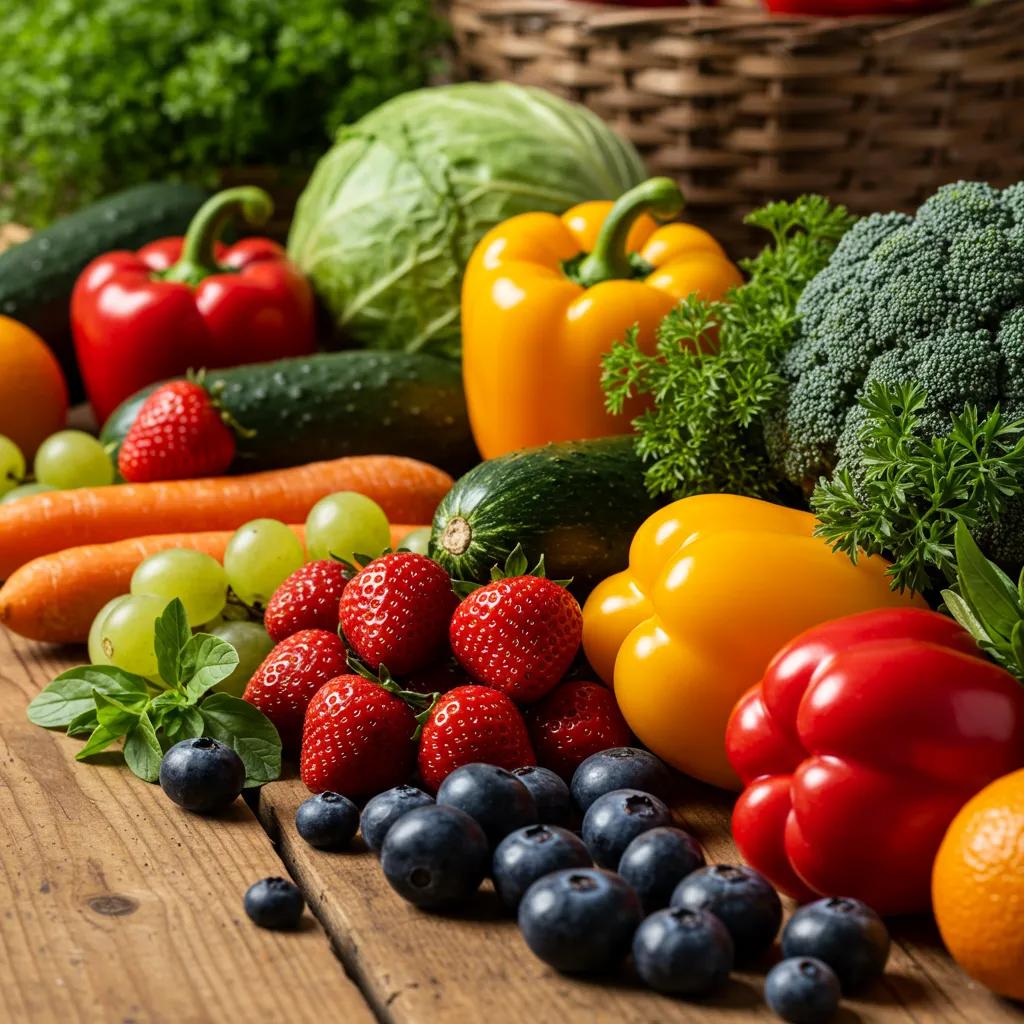
Peak-picked local produce retains significantly more vitamins, antioxidants, and flavors than items traveling long distances. Local fruits and vegetables travel mere miles, preserving vital nutrients that degrade quickly post-harvest. This means meals bursting with taste, color, and health-boosting compounds for a strong immune system, healthy heart, and balanced digestion.
Incorporating local produce encourages a diverse, seasonal eating pattern, exposing your body to a wide spectrum of nutrients and reducing reliance on processed foods.
How Local Farmer Markets Give Back to the Local Economy
Every dollar spent at farmer markets circulates back into the community, creating economic benefits. Research shows each dollar invested in local food systems can generate up to three dollars in related local business activity, strengthening small businesses and cultivating resilient local economies.
Markets also foster micro-entrepreneurship, providing growers and artisans a space to test products and grow businesses. Reduced overhead allows producers to retain more of each sale, boosting profitability and encouraging reinvestment.
Environmental Wins of Shopping Locally
Local food systems significantly reduce transportation-related carbon emissions by shortening supply chains. Shorter journeys mean fewer trucks and less packaging. Many local growers also champion regenerative agriculture—like cover cropping and no-till management—boosting biodiversity, improving soil health, and capturing carbon.
Supporting nearby farms encourages eco-friendly practices, promotes responsible land stewardship, and aids habitat restoration, cultivating healthier soils, cleaner waterways, and a tangible decrease in your meals’ carbon footprint.
Your Roadmap: How to Find the Best Local Farmer Markets Around You
Finding top-tier markets involves digital tools, community wisdom, and local exploration. Online directories map weekly markets, list vendors, and share schedules. Community platforms and social groups offer insider tips on pop-up or seasonal markets. These resources help even first-time visitors navigate confidently and uncover local gems.
Seasonality and location are key. Combining online listings and word-of-mouth helps craft a personalized market tour, experiencing unique community flavors and connecting with local farmers.
Online Directories and Apps for Finding Farmer Markets
Mobile apps and websites list markets by city or zip code, with interactive maps, vendor profiles, and reviews. Filter by organic produce, pasture-raised eggs, or artisan cheese, and see live updates on market hours or special events. Many platforms spotlight vendors or seasonal highlights, helping you discover unique offerings.
These apps simplify planning: set reminders, access digital coupons, and compare markets, streamlining exploration into efficient, curated local food adventures.
Using Community Resources to Discover Markets Nearby
Community centers, farm bureaus, and neighborhood associations share market announcements and fair details via newsletters and bulletin boards. Join email lists or social media groups for local agriculture events. These channels often reveal pop-up markets, farm-to-table dinners, and workshops not on main listings, offering deeper insights into regional food cultures.
Connecting with local chefs or extension services provides insider tips on market quality and vendor reputations, enhancing your market experience.
Top Tips for First-Time Farmer Market Visitors
A little planning goes a long way to make the most of your market trip:
- Pack Reusable Bags and Cash – Cash can speed up transactions and sometimes earn you a small discount.
- Arrive Early – The freshest produce and limited-edition baked goods often disappear within the first hour.
- Chat with the Growers – Ask about harvest dates, growing methods, and for recipe ideas.
- Compare Quality and Prices – Sample small bites if offered to get a feel for the flavors and value.
- Plan Meals Around What You Find – Let the market’s seasonal bounty inspire your weekly menu.
Following these tips helps first-time visitors become savvy shoppers, spotting quality produce, building vendor relationships, and discovering market surprises.
What Treasures Should You Be Looking For at Local Farmer Markets?
Farmer markets offer seasonal produce, handcrafted delights, and unique specialty items not found in regular stores. Each season brings distinct varieties, from spring asparagus to fall squash. Beyond fruits and veggies, find pasture-raised meats, artisanal cheeses, fresh juices, handcrafted breads, and natural body care products, reflecting regional character and small-batch craftsmanship.
Knowing what to look for maximizes flavor and value. Seek vibrant colors, firm textures, and intact stems. Chat with vendors for new varieties, cooking tips, and preservation techniques. This insider knowledge ensures a well-rounded selection that nourishes and celebrates local diversity.
Seasonal Produce Available Throughout the Year
| Produce Category | Peak Season | Extension Techniques |
|---|---|---|
| Leafy Greens | March–June, Sept–Nov | High tunnels, frost covers |
| Berries | May–July | Early varieties, tunnels |
| Tomatoes & Peppers | July–Sept | Greenhouse starts |
| Squash & Pumpkins | Sept–Oct | Field curing |
| Root Vegetables | Oct–March | Cold storage, mulching |
Other Local Goods Besides Produce
- Dairy and Eggs: Farmstead cheeses, creamy yogurts, and pasture-raised eggs.
- Meats and Charcuterie: Grass-fed beef, heritage pork, free-range poultry, and cured sausages.
- Artisanal Baked Goods: Crusty sourdough loaves, seasonal pastries, and gluten-free treats.
- Prepared Foods: Fresh-pressed juices, pickled vegetables, artisanal condiments, and farm-to-table meal kits.
- Handcrafted Products: Herbal teas, natural beeswax candles, botanical skincare, and locally spun wool items.
Payment Methods and Market Etiquette
Most vendors accept cash, credit/debit cards, and mobile payments; small bills are useful. Some markets participate in nutrition assistance programs (SNAP/WIC matching funds); ask the market manager for details.
Good market etiquette ensures a positive atmosphere: greet stallholders, ask before sampling, keep pathways clear, and use designated bins. These courtesies maintain smooth flow, strengthen community connections, and ensure a pleasant shopping experience.
How Can Farmers Bring Their Harvests to Market and Online?
Farmer markets offer growers immediate feedback, direct customer connections, and profitable sales. Becoming a vendor requires following local regulations, securing booth space, and obtaining necessary permits/insurance. Farmers can combine in-person sales with online storefronts to broaden reach and manage orders year-round.
Integrating in-person and online sales diversifies income and builds brand recognition. Farmer-specific platforms simplify product listing, inventory tracking, and order fulfillment, enabling direct consumer connection. This dual approach maximizes sales and cultivates a loyal customer base.
Steps to Become a Farmer Market Vendor
- Research Local Market Rules – Check application deadlines, booth fees, insurance, and health permits.
- Craft Your Vendor Presence – Develop eye-catching signage, clear product labels, and appealing samples.
- Secure Necessary Permits – Obtain liability insurance, business licenses, and food safety certifications.
- Plan Your Inventory and Pricing – Estimate harvest volumes, decide on package sizes, and set competitive prices.
- Engage with the Market Community – Attend vendor meetings, connect with fellow farmers, and gather shopper feedback.
Online Platforms Helping Farmers Sell Produce Directly
- Dedicated Farm Store Platforms – Customizable web spaces to list products, set pickup times, and manage stock.
- CSA Management Tools – Subscription services that automate member sign-ups, payments, and scheduling.
- Local Directory Integrations – Listings that drive traffic from market finders to your farm’s online store.
- Direct Social Commerce – Social media channels for real-time sales announcements and direct customer messaging.
How CSA Programs Connect Farmers and Consumers
CSA programs allow consumers to invest in a farm’s season upfront, receiving regular fresh produce deliveries or pickups. This provides farmers with predictable income, while subscribers enjoy consistent farm-fresh variety and educational engagement. CSAs range from weekly vegetable shares to curated boxes with dairy, eggs, and specialty items.
CSAs foster deeper farmer-consumer relationships through shared harvest calendars, on-farm events, and newsletters. This direct investment builds trust, ensures financial stability for small farms, and cultivates a strong local food community.
How Local Fresh Bag Empowers You to Discover and Champion Local Farmer Markets
Local Fresh Bag connects you to local growers with an easy-to-use market directory, smart search tools, and vendor services. Shoppers find markets by distance, open days, and product availability, discovering events and producers. Growers use tools for order management, online shops, and CSA programs, helping them grow and connect with customers.
By integrating market and online sales, Local Fresh Bag helps farmers reach new customers faster and simplifies interactions. This comprehensive approach boosts transparency, optimizes sales, and strengthens local food networks.
Local Fresh Bag’s Directory Simplifies Market Discovery
Local Fresh Bag’s directory combines market schedules, vendor lists, and seasonal highlights into one platform. Search by product type, artisan offerings, or accessibility. Real-time updates notify shoppers of special events, holiday markets, and exclusive deals, personalizing market exploration.
This all-in-one directory reduces research time, encourages spontaneous visits, and promotes sustainable shopping by simplifying local food discovery.
Tools Local Fresh Bag Offers Farmers for Online Sales
- Online Store Builder – Simple drag-and-drop tools to create branded product pages with images, descriptions, and prices.
- Order and Inventory Management – Automatic tracking of sales, pickup schedules, and stock levels.
- Payment Processing Integration – Secure checkout options for credit cards, mobile wallets, and subscription payments.
- CSA Administration – Tools to manage subscriptions, communicate with members, and offer customizable box options.
Supporting Local Farms Through Local Fresh Bag
Using Local Fresh Bag’s market finder and online orders directly invests in regional growers and artisans. Every purchase strengthens small farms, encourages sustainable practices, and builds rural economic vitality. Signing up for CSA shares, attending events, or sharing vendor profiles amplifies your impact, driving visibility and revenue for local agriculture.
Your involvement transforms interest in farm-fresh food into meaningful support, ensuring the long-term health of local food ecosystems.
What’s New & Exciting: Trends and Perks in the Local Food Movement
By late 2025, regenerative farming, traceability tech, and digital marketplaces fuel the local food renaissance. Growers embrace practices like cover cropping and integrated pest management to revitalize land and meet transparency demands. Mobile apps with QR codes on packaging instantly reveal a farm’s history, growing methods, and carbon footprint.
Economic studies show communities reinvest up to three times for every dollar spent locally, while shared market experiences foster stronger social bonds. These trends change how consumers perceive food origins, leading to deeper appreciation for seasonality, sustainability, and community.
Regenerative and Sustainable Farming Shaping Farmer Markets
Regenerative agriculture—like no-till planting, composting, and cover crops—enhances soil carbon capture and biodiversity, leading to healthier environments and resilient harvests. Farmers using these methods partner with local markets to showcase sustainable crops and educate shoppers on soil-rebuilding and water protection practices.
This shift transforms farmer markets into dynamic learning spaces where consumers see regenerative principles in action and build lasting relationships with land stewards.
Economic and Social Impacts of Buying Local in 2025
Recent data shows local food spending significantly boosts economic activity in rural and urban areas. Every dollar spent at local markets generates up to three dollars in additional regional commerce. Social benefits include stronger community ties, improved food security, and better public health outcomes through access to fresher, varied foods.
These impacts demonstrate the power of individual purchasing decisions to drive positive change in local economies and societal well-being.
How Digital Marketplaces Are Changing Local Food Sales
Digital marketplaces enable farmers to sell consistently beyond market days, offering subscription boxes, on-demand deliveries, and virtual farm tours. Mobile app integration provides seamless ordering, real-time availability, and personalized recommendations. This multi-channel approach expands reach, optimizes harvest planning, and deepens customer loyalty through data-driven insights.
As technology advances, farmers use analytics to refine crop choices, predict demand, and tailor offerings, leading to efficient operations and enhanced customer experiences.
Where to Uncover Regional Farmer Market Directories and Seasonal Guides
Regional directories and seasonal guides offer hyper-local insights to pinpoint markets, plan visits, and explore unique specialties. State/city farm bureaus provide interactive maps and schedules, while food co-ops compile monthly produce lists and recipes. These resources help navigate the local food scene, discovering lesser-known markets and seasonal highlights.
Combining regional and national directories ensures comprehensive coverage—from city markets to county fairs—maximizing your chances of finding exceptional local offerings.
Accessing Farmer Market Listings by Region or City
Regional market directories are published by agricultural extension services, tourism boards, and local food advocacy groups. Look for PDFs, interactive web maps, or email newsletters listing market names, operating days, vendors, and contact details. Social media pages also announce special events, pop-up markets, and holiday schedules.
Pairing these listings with mobile apps provides on-the-go access, ensuring you never miss nearby seasonal fairs or farm-to-table events.
Monthly Seasonal Produce Highlights
Each month brings peak produce, timed with local growing cycles. October is prime for apples, winter squash, and greens; May offers asparagus, spinach, and strawberries. Community food councils and cooperatives publish “what’s in season” reports with cooking methods, storage tips, and preservation recipes, helping shoppers maximize each harvest.
These monthly highlights inspire and guide meal preparation, reducing food waste by aligning purchases with abundance.
Finding Seasonal Recipes Using Local Produce
Local cooking schools, farm-to-table restaurants, and culinary blogs share seasonal recipes. Community centers host harvest festivals with recipe swaps and cooking demonstrations. Cooperative extension services offer downloadable recipe booklets tailored to regional crops, ensuring fresh ingredients transform into delicious, nutrient-rich meals.
Utilizing these recipe resources deepens your connection to local food systems and turns market staples into memorable culinary experiences.
Local farmer markets are your gateway to fresh, sustainable, and community-focused food systems, enriching your diet, economy, and environment. Combining digital tools, community connections, and seasonal guides helps you find the best markets and make smart choices. Growers gain direct customer access via market stalls, online shops, and CSA programs, benefiting the entire supply chain. Dive into this hyper-local movement today and explore your region’s bounty, guided by Local Fresh Bag’s directory and vendor solutions.